
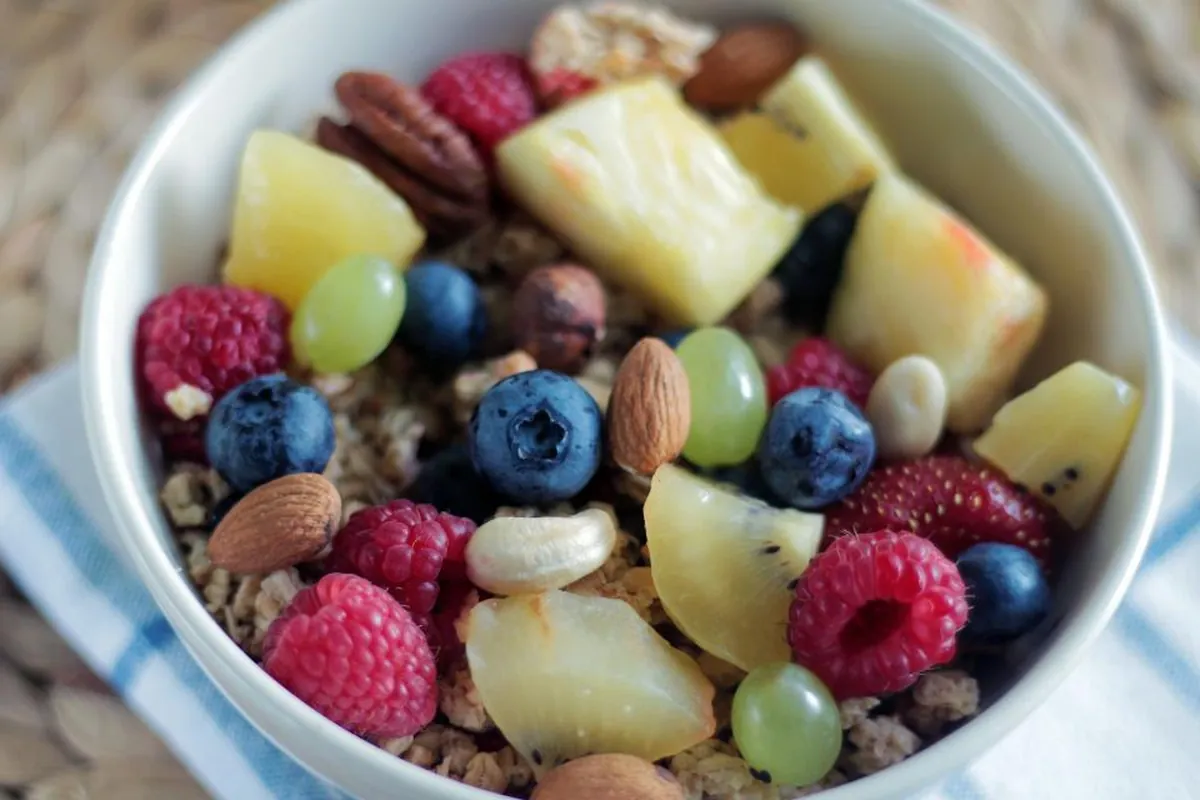
Every few months, a new diet promises fast results. One cuts out entire food groups, another relies on special products and another insists on strict eating windows. It is no wonder so many people feel confused about what healthy eating really means. Balanced nutrition offers a calmer, more reliable alternative that does not depend on the latest trend.
The truth is far less dramatic and far more sustainable. Balanced nutrition is built on a few well-established principles that have stood the test of time. This guide explains them in plain language, so you can eat well without extreme rules.
What Balanced Nutrition Actually Means
Balanced nutrition means regularly eating a variety of foods that provide the energy and nutrients your body needs. It is not about perfection or about any single “superfood.” It is about overall patterns over weeks and months. The World Health Organization’s healthy diet fact sheet is a trustworthy starting point for the basics of balanced nutrition.
A balanced approach is flexible. It can fit different cultures, budgets, preferences and dietary needs, including vegetarian and vegan eating.
The Building Blocks: Macronutrients
Macronutrients are the nutrients your body needs in larger amounts. Each plays an important role.
Carbohydrates
Carbohydrates are a main source of energy. Choose mostly whole grains, fruits, vegetables and legumes, which provide fiber and nutrients, and limit refined sugars and highly processed snacks.
Protein
Protein helps build and repair tissues. Good sources include beans, lentils, eggs, dairy, fish, poultry, tofu, nuts and seeds. Including some protein at each meal can also help you feel full.
Fats
Fats support hormone production, nutrient absorption and brain health. Favor unsaturated fats found in olive oil, avocados, nuts, seeds and oily fish, while limiting trans fats and keeping saturated fats moderate.
Alongside these, vitamins and minerals, often called micronutrients, are essential in smaller amounts. Eating a colorful variety of foods is the simplest way to cover them.
Build a Balanced Plate
A practical way to put these ideas into action is the balanced plate method, which many health organizations use in some form: Travel is a great time to try local dishes, an idea at the heart of slow travel.
- About half the plate: vegetables and fruits, in a range of colors.
- About a quarter: whole grains or starchy foods such as brown rice, oats, whole-wheat pasta or potatoes.
- About a quarter: protein foods such as beans, fish, eggs, poultry or tofu.
- A small amount of healthy fats, such as olive oil or a handful of nuts.
- Water as your main drink.
This is a guide, not a rigid rule. Some meals will look different, and that is completely fine.
Why Fad Diets Often Fail
Fad diets can produce quick changes, but they are often hard to maintain. Severe restriction may lead to fatigue, cravings and eventually returning to old habits.
The best eating pattern is one you can enjoy and sustain for years, not one you can tolerate for a few weeks.
Red Flags to Watch For
- Promises of rapid, dramatic weight loss.
- Eliminating entire food groups without a medical reason.
- Claims that one food or supplement can “melt fat” or “detox” the body.
- Rigid rules that ignore individual needs and preferences.
- Advice based mainly on personal testimonials rather than evidence.
Learning to evaluate claims critically is a valuable skill well beyond nutrition, and our blog includes guidance on spotting misleading information.
Simple Habits to Get Started
You do not need to overhaul everything at once. Small, steady changes tend to last longer: Good food habits work best alongside rest, so pair them with our science-backed habits for sleep and stress.
- Add before you subtract. Focus on including more vegetables, fruits and whole grains rather than banning foods.
- Cook at home more often, even simple meals, to control ingredients and portions.
- Read food labels to compare sugar, salt and fiber content.
- Plan meals and snacks to avoid relying on convenience options when hungry.
- Stay hydrated with water throughout the day.
- Eat mindfully, slowing down and paying attention to hunger and fullness cues.
- Enjoy treats in moderation without guilt.
Special Considerations
Nutritional needs vary with age, activity level, pregnancy, health conditions and medications. People with conditions such as diabetes, heart disease, food allergies or digestive disorders should seek personalized advice from a doctor or registered dietitian. Here at NeWorldsMagazine.com, we encourage readers to treat general guidance as a starting point, not a prescription.
Key Takeaways
- Balanced nutrition is about overall eating patterns, not perfection or superfoods.
- Carbohydrates, proteins and fats each play important roles.
- Filling half your plate with vegetables and fruits is a simple, effective guide.
- Be wary of diets promising rapid results or banning entire food groups.
- Small, sustainable habits work better than drastic overhauls.
Do I need to count calories to eat healthily?
Not necessarily. Many people eat well by focusing on balanced plates, whole foods and hunger cues rather than precise calorie counting.
Are carbohydrates bad for you?
No. Whole-grain and fiber-rich carbohydrates are an important energy source; it is mainly refined sugars and highly processed foods that are best limited.
This article is for general information and is not a substitute for professional medical advice.