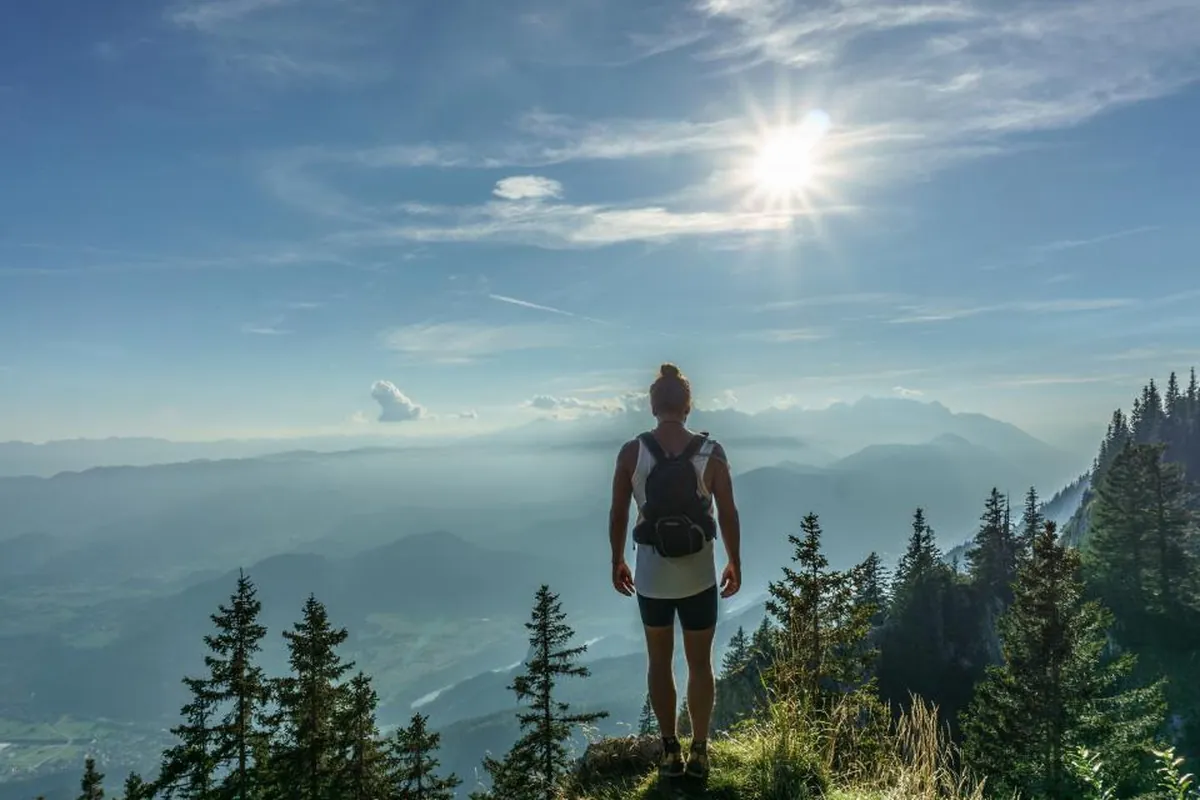
Many of us know the feeling of returning from a holiday more exhausted than when we left. Packed itineraries, rushed sightseeing and constant transit can turn a trip into a checklist rather than an experience. Slow travel offers a different approach: staying longer in fewer places and experiencing them more deeply.
Slow travel offers an alternative. Instead of trying to see everything, slow travelers choose fewer places and spend more time in each. They focus on everyday life, local culture and meaningful connections. It is a simple idea, but it can transform how a journey feels.
What Is Slow Travel?
Slow travel is less a set of rules than a mindset. It grew out of the broader “slow movement,” which encourages people to do things at a more thoughtful pace, from food to work to daily routines.
In practice, slow travel often means:
- Staying in one place for a week or longer rather than a night or two.
- Choosing apartments, guesthouses or homestays that let you live like a local.
- Traveling overland by train, bus or bicycle when practical.
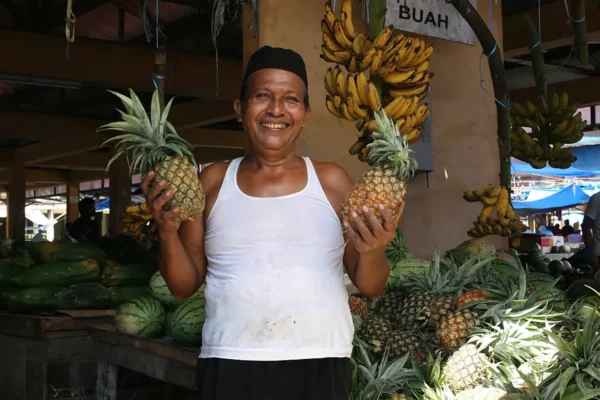
- Shopping at local markets, cooking some of your own meals and frequenting neighborhood cafes.
- Leaving unplanned time for wandering, conversations and serendipity.
Why More People Are Choosing It
Deeper Experiences
Spending more time in one place allows you to notice details a quick visit would miss: the rhythm of a morning market, the regulars at a local cafe or the way a neighborhood changes from weekday to weekend. Many travelers find these moments more memorable than famous landmarks. UN Tourism highlights how more sustainable travel benefits both visitors and local communities.
Less Stress, More Rest
Fewer check-ins, transfers and early departures mean more time to relax. Slow travel can feel restorative rather than draining, which is often the whole point of taking time off.
Flexible Work Arrangements
As remote work has become more common, some people combine travel and work by staying longer in one destination. This makes extended stays more practical for those who cannot take long breaks from their jobs.
Lower Environmental Impact
Fewer flights and more overland travel can reduce a trip’s carbon footprint. Staying longer in one place also tends to involve less transport overall.
Supporting Local Communities
Slow travelers often spend more at small, locally owned businesses such as family-run restaurants, independent shops and local guides. That spending can benefit communities more directly than short, packaged tours.
Slow travel trades the question “How much can I see?” for a better one: “How well can I get to know this place?”
Potential Drawbacks to Consider
Slow travel is rewarding, but it is not always simple. Longer trips require more time off or flexible work, and not everyone has that option. Overland travel can take longer and sometimes cost more than budget flights. Some travelers also worry about “missing out” on famous sights.
The good news is that slow travel does not have to mean months abroad. You can apply its principles to a long weekend by choosing one town instead of three and leaving space to explore without a plan.
How to Plan a Slow Travel Trip
- Choose one base, or two at most. Pick places with good access to nearby towns or nature for day trips.
- Book accommodation with a kitchen or a homestay to make daily life feel natural.
- Learn a few local phrases. Greetings and thank-yous go a long way toward warm interactions.
- Plan only a few anchors, such as a cooking class or a guided walk, and leave the rest open.
- Travel overland when practical, treating the journey as part of the experience.
- Follow local rhythms, including meal times, market days and quiet hours.
- Respect the community by being mindful of noise, customs and housing pressures in popular areas.
Packing light also helps. A small, versatile wardrobe makes moving around easier, and our fashion section offers ideas for building outfits that work in many settings. If you plan to work while traveling, our guide to remote-first companies explains how flexible jobs make longer stays possible.
Bringing Slow Travel Home
One of the most lasting benefits of slow travel is the mindset it encourages. Many people return with a renewed appreciation for unhurried meals, neighborhood walks and genuine conversation. You can even practice slow travel close to home by exploring your own region with fresh eyes. Here at NeWorldsMagazine.com, we see slow travel as part of a wider shift toward living more intentionally. The same mindset applies to what you buy, as our guide to sustainable fashion shows.
Key Takeaways
- Slow travel means visiting fewer places and staying longer in each.
- It offers deeper experiences, more rest and stronger local connections.
- Fewer flights and longer stays can reduce environmental impact.
- It requires time and flexibility, but its principles work for short trips too.
- Choose a base, leave unplanned time and respect local communities.
Is slow travel more expensive?
Not necessarily. Longer stays can attract weekly or monthly discounts, and cooking some meals and using public transport can lower daily costs.
How long should a slow travel trip be?
There is no fixed rule. Even a long weekend in one place can follow slow travel principles, though many slow travelers stay a week or more.