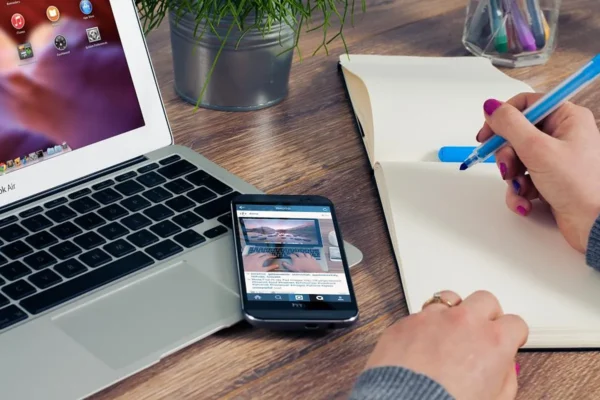

Not long ago, working from home was treated as an occasional perk. Today, a growing number of organizations describe themselves as remote-first, meaning remote work is the default rather than the exception. Offices, if they exist at all, become optional hubs rather than the center of company life. Remote-first companies are reshaping how people build careers, where they choose to live and how teams collaborate across time zones.
This shift raises big questions. How do teams build trust without sharing a room? What happens to careers, culture and collaboration? And what does it take for both workers and employers to thrive in this model?
Remote-First, Hybrid and Fully Remote: What Is the Difference?
These terms are often used interchangeably, but they describe different approaches:
- Remote-first: The company designs its processes, communication and culture around remote work. An office may exist, but nobody is disadvantaged for not using it.
- Fully remote: There is no central office at all. Everyone works from home or from locations of their choosing.
- Hybrid: Employees split time between the office and home, often on set days.
- Remote-friendly: The office remains the default, but remote work is allowed in some circumstances.
The distinction matters. In a remote-friendly company, remote workers can feel like second-class citizens, missing hallway conversations and informal decisions. Remote-first organizations try to remove that imbalance by making digital channels the primary place where work happens.
Benefits for Workers
For many employees, remote-first work offers meaningful advantages: A well-planned setup makes a big difference, and our guide to designing a calm home workspace shows how to create one.
- No daily commute, freeing up time and reducing transport costs.
- Greater flexibility to structure the day around focus time, family responsibilities or personal health.
- Location freedom, allowing people to live closer to family or in more affordable areas.
- Fewer interruptions for work that requires deep concentration.
Remote-first models can also widen access to jobs for people with disabilities, caregivers and those living far from major business centers.
Benefits for Employers
Organizations adopt remote-first models for strategic reasons, not only to please employees.
Access to a Wider Talent Pool
Hiring is no longer limited to people who live within commuting distance. Companies can recruit skilled candidates from different cities, regions or even countries, subject to legal and tax considerations.
Lower Overhead
Smaller or no office spaces can reduce rent, utilities and maintenance costs. Some companies reinvest these savings in equipment stipends, travel for in-person gatherings or employee development.
Stronger Documentation Culture
Because remote-first teams cannot rely on quick desk-side chats, they tend to write things down. Clear documentation can make knowledge easier to share and onboarding smoother.
The Real Challenges
Remote-first work is not effortless. Both sides face genuine trade-offs that need attention. The International Labour Organization regularly examines how remote and flexible work affects working conditions worldwide.
- Isolation and loneliness can affect well-being, especially for people who live alone.
- Blurred boundaries between work and home can lead to longer hours and burnout.
- Communication gaps can grow when tone and context are lost in text.
- Career visibility may suffer if promotions depend on who managers see most often.
- Time zone differences can make real-time collaboration difficult.
Remote-first success is less about technology and more about intention. The companies that thrive are the ones that design for distance on purpose.
How Remote-First Companies Make It Work
For Employers
- Default to asynchronous communication through shared documents and threads, reserving meetings for decisions and connection.
- Measure outcomes, not hours online. Set clear goals and judge performance by results.
- Invest in onboarding with written guides, mentors and structured check-ins.
- Bring people together periodically for in-person gatherings that build relationships.
- Train managers to lead distributed teams, give feedback remotely and spot signs of burnout.
For Workers
- Create a dedicated workspace and a routine that signals the start and end of the day.
- Over-communicate progress so your contributions remain visible.
- Protect your boundaries by turning off notifications after hours.
- Build social connection intentionally, through virtual coffee chats or local coworking.
Your physical setup matters more than many people expect. For practical ideas, see our lifestyle coverage on creating calm and productive spaces at home. Many remote-first companies also rely on AI tools that are changing how we work to summarize meetings and organize projects.
What It Means for the Future of Work
Remote-first is unlikely to suit every organization or role. Jobs that depend on physical presence, specialized equipment or hands-on service will continue to require on-site work. Still, the model has proven that many knowledge-based roles can be done well from almost anywhere. Here at NeWorldsMagazine.com, we expect the conversation to keep shifting from where work happens to how it can be done well.
Key Takeaways
- Remote-first means remote work is the default and processes are designed around it.
- Workers gain flexibility and time; employers gain wider talent pools and lower overhead.
- Isolation, burnout and career visibility are real challenges that require attention.
- Asynchronous communication, outcome-based goals and periodic in-person time help teams thrive.
Is remote-first the same as fully remote?
Not exactly. Remote-first companies may keep offices, but they design work so that remote employees are never at a disadvantage. Fully remote companies have no central office at all.
How can remote workers stay visible for promotions?
Share progress updates regularly, document your results, ask for feedback and schedule recurring one-on-one conversations with your manager about career goals.