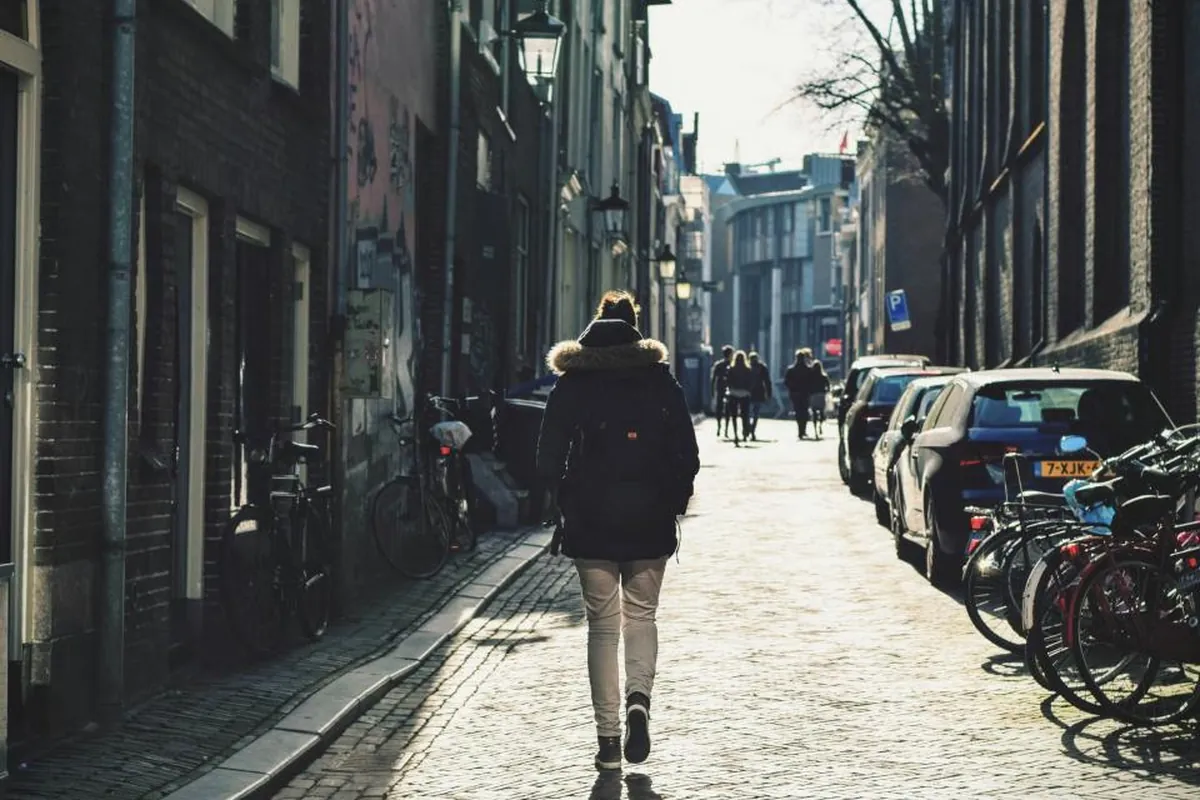
Runway shows may announce trends, but the most authentic fashion often happens on the sidewalk. Street style captures how real people interpret clothing in their daily lives, mixing practicality, personal expression and local culture. Exploring street style around the world is one of the most enjoyable ways to discover fresh ideas for your own wardrobe.
Every city has its own fashion personality. Climate, history, music scenes, transport, work culture and even architecture influence what people wear. Exploring street style around the world reveals how deeply clothing is tied to place.
What Shapes a City’s Style?
Before touring a few fashion capitals, it helps to understand the forces at work. Most city styles develop from a combination of factors: Museums such as The Met’s Costume Institute show how everyday clothing has long influenced fashion history.
- Climate: Hot, humid cities favor breathable fabrics and lighter layers, while colder cities make outerwear a centerpiece.
- Culture and tradition: Traditional textiles, craftsmanship and dress codes often blend with modern styles.
- Daily movement: Walking-heavy cities and public transit encourage comfortable shoes and practical bags.
- Creative scenes: Music, art and youth subcultures inspire bold experimentation.
- Industry and work: Business districts, creative hubs and campuses each develop their own codes.
Tokyo: Fearless Experimentation
Tokyo is famous for its diversity of looks. Different neighborhoods have long been associated with distinct subcultures, from playful, colorful styles to minimalist, avant-garde silhouettes. Layering is a hallmark, with people combining textures, lengths and proportions in creative ways.
Attention to detail and quality is another defining feature. Many residents appreciate well-made basics, vintage finds and carefully chosen accessories just as much as statement pieces.
Paris: Effortless Polish
Parisian style is often associated with understated elegance. Think tailored coats, simple knitwear, well-fitted trousers and classic footwear, usually in a restrained palette. The emphasis is on fit and quality rather than visible logos or constant trend-chasing.
The idea of looking effortless is, of course, the result of thoughtful choices. Many Parisians build wardrobes around a handful of timeless pieces they wear repeatedly.
Lagos: Bold Prints and Confident Color
Lagos street style bursts with energy. Vibrant prints, striking colors and tailored silhouettes reflect a confident creative culture. Traditional fabrics are often reinterpreted in modern cuts, worn for everything from everyday outings to celebrations. Lagos street style also moves to its own soundtrack, as our feature on the global rise of Afrobeats explains.
The city’s music and creative industries help fuel its fashion influence, and local designers increasingly attract international attention.
Seoul: Trend-Savvy and Polished
Seoul’s street style is closely linked with its global pop culture influence. Residents often embrace new trends quickly, mixing oversized silhouettes, clean minimalism and streetwear. Coordinated outfits, thoughtful accessories and well-groomed looks are common.
Music, television and beauty culture all play roles in shaping what people wear, and those influences often travel far beyond Korea. Our entertainment coverage explores how pop culture spreads these trends worldwide.
New York, London and Beyond
New York
New York style is shaped by pace and practicality. Comfortable sneakers, versatile layers and black wardrobes coexist with bold individual expression. The city’s diversity means there is no single look.
London
London has a long history of influential youth subcultures, and its street style still mixes heritage tailoring with rebellious, eclectic twists. Unpredictable weather makes layering and outerwear essential.
Mexico City, Mumbai and Copenhagen
Mexico City blends artisanal textiles with contemporary design. Mumbai mixes traditional garments with modern fashion in vivid color. Copenhagen is known for practical, minimalist style designed for cycling and changeable weather.
Street style is a conversation between people and the places they live. Every outfit carries a little of the city’s weather, history and attitude.
How to Borrow Ideas From Global Street Style
You do not have to live in a fashion capital to be inspired by one. Try these approaches: Building a look around versatile, long-lasting pieces is also the heart of sustainable fashion.
- Experiment with layering in the spirit of Tokyo, combining textures and lengths.
- Invest in fit like Parisians, tailoring a few key pieces.
- Embrace color and print with Lagos-inspired confidence.
- Prioritize comfort for a city-ready, practical wardrobe.
- Respect cultural origins by learning about traditional garments and supporting artisans and designers from those communities.
Here at NeWorldsMagazine.com, we love how fashion connects people across borders while celebrating what makes each place unique.
Key Takeaways
- Street style reflects how real people dress, shaped by daily life and local culture.
- Climate, transport, creative scenes and traditions all influence a city’s look.
- Tokyo, Paris, Lagos and Seoul each have distinctive fashion personalities.
- You can borrow global ideas while staying true to your own style.
- Respecting cultural origins is an important part of global fashion inspiration.
What is street style?
Street style is fashion as worn by everyday people in public, often reflecting personal creativity and local culture rather than runway trends.
Why do different cities have different fashion styles?
Climate, cultural traditions, history, local industries, transport and creative communities all shape how people in a city dress.