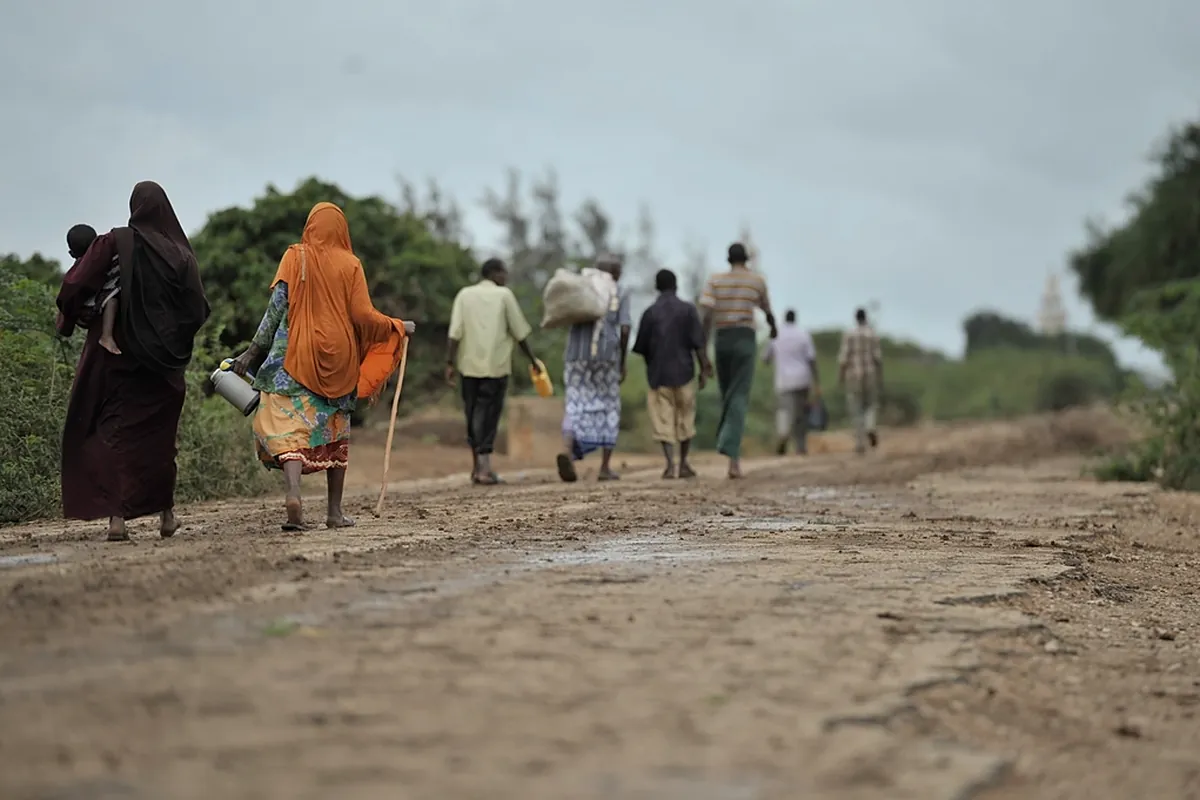
People have always moved in response to their environment. Farmers followed the rains, coastal communities shifted with changing shorelines and entire regions emptied during long droughts. What is different today is the pace and scale of environmental change, and the growing number of people whose homes and livelihoods are affected by it. Climate migration is the name given to this growing movement of people, and understanding it has become essential to understanding world news.
Climate migration describes the movement of people driven wholly or partly by environmental and climate-related pressures. Understanding it requires looking beyond dramatic images of disasters to the slower, quieter forces that shape decisions to leave.
What Is Climate Migration?
Climate migration covers a wide range of situations. Some people are forced to flee suddenly when a storm or flood destroys their home. Others leave gradually as crops repeatedly fail, water becomes scarce or rising temperatures make outdoor work dangerous. The International Organization for Migration publishes accessible research on how environmental change and human mobility connect.
Most climate-related movement happens within national borders, as families relocate from rural areas to towns and cities. Cross-border migration also occurs, but it is usually only one part of a much larger picture.
Sudden-Onset and Slow-Onset Drivers
Experts often distinguish between two types of environmental pressure:
- Sudden-onset events such as hurricanes, floods, wildfires and landslides, which can displace people within hours.
- Slow-onset changes such as desertification, sea-level rise, soil degradation and saltwater entering farmland, which erode livelihoods over years.
Slow-onset changes are harder to see in the news, but they can be just as powerful in shaping where people decide to live.
Why Climate Is Rarely the Only Reason
It is tempting to treat climate as a single cause, but migration decisions are almost always shaped by several factors at once. Environmental stress tends to amplify existing challenges such as poverty, limited job opportunities, weak infrastructure or conflict.
A farming family facing repeated poor harvests may also be dealing with debt, falling crop prices and a lack of local services. In that context, a drought becomes the final push rather than the only reason to move.
Climate change is often described as a threat multiplier: it intensifies pressures that already exist rather than creating entirely new ones.
This is also why the poorest communities are frequently the most affected. They often depend directly on natural resources and have fewer savings or insurance options to help them recover.
Who Is Most Affected?
Climate-related movement can happen anywhere, including in wealthy countries where wildfires, floods and coastal erosion are forcing hard decisions. However, some groups face greater risks: Responses to climate migration are shaped by global diplomacy and international alliances, which determine how countries share responsibility.
- Residents of low-lying coastal areas and small island nations.
- Smallholder farmers and herders who rely on predictable rainfall.
- People living in informal settlements built on floodplains or unstable slopes.
- Communities in regions already experiencing water scarcity.
It is also worth remembering that some of the most vulnerable people cannot move at all. Leaving requires money, networks and information. Experts sometimes describe these groups as “trapped populations,” and their needs are easy to overlook.
What Comes Next: Adaptation and Planning
Climate migration is not only a story of loss. With good planning, movement can be one way people adapt and build safer, more secure lives. The key questions are how well communities prepare and whether policies support people with dignity.
Helping People Stay Where They Want to Stay
Many people prefer to remain in their home regions if they can. Investments in drought-resistant agriculture, water management, flood defenses and early warning systems can reduce the pressure to leave.
Planned Relocation
In some places, staying is no longer realistic. Planned relocation, when done with genuine community participation, can help preserve social ties, culture and access to livelihoods. Poorly managed relocation, by contrast, can leave people worse off.
Preparing Receiving Cities
Towns and cities that welcome new arrivals need housing, schools, healthcare and job opportunities. Urban planning that anticipates growth can turn migration into an economic and social asset rather than a strain. The well-being of displaced people, including their mental health, also deserves attention, and our health section regularly covers how stress and upheaval affect the mind and body.
How to Think About Climate Migration in the News
Coverage of climate migration can be emotional and sometimes exaggerated. When reading about it, a few questions help keep the picture balanced: Our guide on how to read the news critically can help you judge headlines on this topic with more confidence. You can follow our ongoing world and climate coverage on NeWorldsMagazine.com.
- Is the movement internal or across borders?
- What other economic or political factors are involved?
- Are local communities being consulted about solutions?
- What adaptation options exist besides leaving?
Key Takeaways
- Climate migration is movement driven wholly or partly by environmental change.
- Both sudden disasters and slow changes like drought and sea-level rise play a role.
- Climate usually amplifies other pressures such as poverty and limited opportunity.
- Most climate-related movement happens within countries, not across borders.
- Adaptation, planned relocation and well-prepared cities can make outcomes fairer and safer.
Are climate migrants considered refugees?
Generally not under existing international refugee law, which focuses on persecution. People displaced by environmental factors often fall outside that definition, which is why many experts call for clearer protections.
Can climate migration be prevented?
Not entirely, but adaptation measures such as better water management, resilient farming and early warning systems can reduce forced displacement and give people more choice.